Fiber Cement vs Wood Siding: Comparison Guide
June 17, 2026
Share this article:
The best siding choice depends on the priorities of the home and the homeowner. Fiber cement siding is often selected for durability and lower maintenance, while wood siding is commonly chosen for its natural appearance and traditional character.
As exterior materials continue to evolve, many homeowners find themselves comparing fiber cement vs wood siding while weighing long-term upkeep, curb appeal, and overall value. Looking closely at how each material performs over time can help narrow the right fit for the home and budget.
What Is Fiber Cement Siding?
Overview
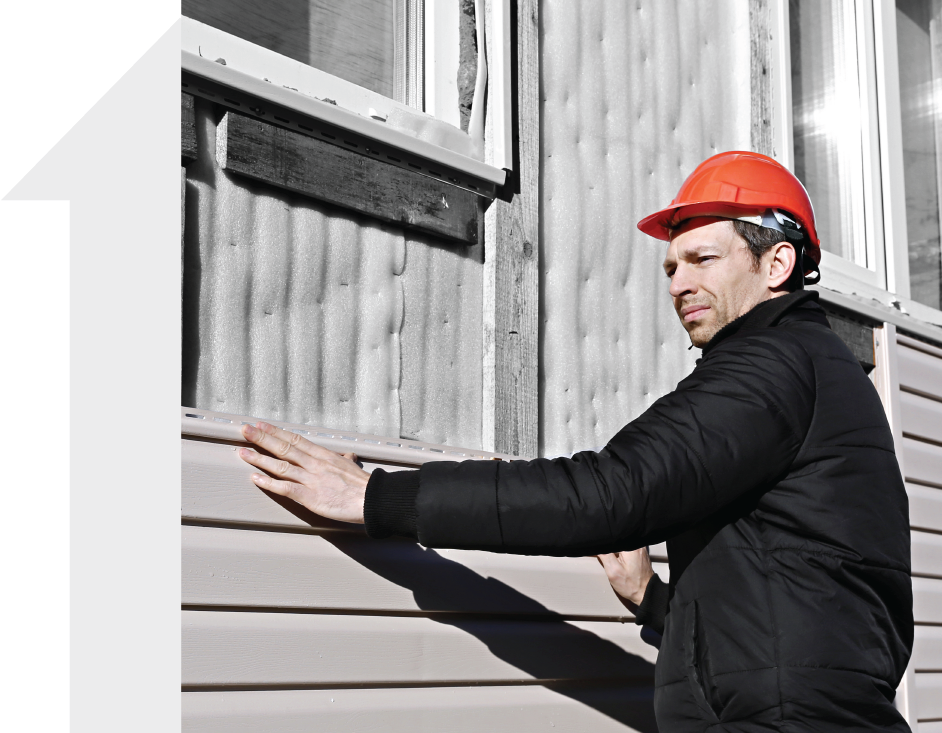
Fiber cement siding is a manufactured exterior siding material made from cement, sand, and cellulose fibers. It is designed to replicate the appearance of painted wood while offering stronger resistance to moisture, insects, and weather exposure. Many homeowners comparing fiber cement vs wood siding are drawn to fiber cement for its durability, lower maintenance needs, and long-term performance across different climates and home styles.
Brands FTC Oury Group Works With
FTC Oury Group works with trusted fiber cement manufacturers known for long-term durability and exterior performance. As a James Hardie siding contractor, the team installs siding products designed to replicate the appearance of painted wood while offering stronger resistance to moisture, pests, fading, and changing Midwest weather conditions.
What Is Wood Siding?
Overview
Wood siding is an exterior cladding material traditionally made from natural wood species such as cedar, pine, or redwood. It is often chosen for its natural texture, warmth, and timeless appearance across many architectural styles. Homeowners considering wood siding installation are often drawn to the material’s curb appeal, customization potential, and ability to be painted or stained in a wide range of finishes.
Engineered Wood Options
Engineered wood siding combines wood fibers with resins and protective treatments to strengthen durability and moisture resistance. Many homeowners researching LP SmartSide siding contractors are drawn to engineered wood products for their wood-grain appearance, lighter weight, and stronger resistance to impact, pests, and changing weather conditions compared to traditional wood siding.
Fiber Cement vs Wood Siding: Key Differences
Homeowners comparing fiber cement vs wood siding often focus on durability, maintenance expectations, appearance, and long-term value when narrowing the right material for their home.
Durability and Lifespan
| Comparison Area | Fiber Cement Siding | Wood Siding |
|---|---|---|
| Moisture Resistance | Strong resistance to moisture and rot | More vulnerable to moisture damage over time |
| Pest Resistance | Resistant to termites and insects | Can attract insects without maintenance |
| Weather Performance | Handles harsh Midwest weather conditions well | More prone to cracking, warping, and weather wear |
| Typial Lifespan | Often lasts 30-50 years with maintenance | Lifespan varies based on wood species and upkeep |
Appearance and Curb Appeal
| Comparison Area | Fiber Cement Siding | Wood Siding |
|---|---|---|
| Appearance | Designed to replicate painted wood textures | Natural wood grain and texture |
| Architectural Style | Fits traditional and modern homes | Common in historic and rustic home styles |
| Color Options | Available in factory-finished colors | Can be painted or stained in many finishes |
| Curb Appeal | Consistent appearance over time | Natural character that changes with age |
Maintenance Requirements
| Comparison Area | Fiber Cement Siding | Wood Siding |
|---|---|---|
| Painting Frequency | Requires repainting less often | Typically needs more frequent repainting or staining |
| Moisture Maintenance | Lower moisture-related upkeep | Requires regular sealing and inspection |
| Pest Maintenance | Minimal pest-related maintenance | More monitoring for insects and rot |
| General Upkeep | Lower long-term maintenance expectations | Higher long-term maintenance expectations |
Cost Considerations
| Comparison Area | Fiber Cement Siding | Wood Siding |
|---|---|---|
| Material Pricing | Mid-to-higher material costs | Pricing varies by wood species |
| Installation Costs | Heavier material may increase labor costs | Installation pricing depends on wood type and detailing |
| Long-Term Maintenance Costs | Lower maintenance expenses over time | Higher long-term maintenance and repair costs |
| Resale Appeal | Strong long-term exterior value | Strong curb appeal in certain home styles |
Energy Efficiency and Insulation
| Comparison Area | Fiber Cement Siding | Wood Siding |
|---|---|---|
| Insulation Performance | Often paired with insulated wall systems | Natural insulating properties |
| Heat Resistance | Performs well in changing temperatures | Helps regulate temperature naturally |
| Energy Efficiency | Depends heavily on wall insulation | Depends on siding thickness and insulation |
| Climate Adaptability | Performs well across different climates | Sensitive to long-term moisture exposure |
Environmental Impact and Sustainability
| Comparison Area | Fiber Cement Siding | Wood Siding |
|---|---|---|
| Material Composition | Manufactured from cement, sand, and cellulose fibers | Made from natural wood materials |
| Longevity | Long lifespan may reduce replacement frequency | Renewable material, when responsibly sourced |
| Recyclability | More difficult to recycle after removal | Biodegradable and more recyclable |
| Resource Considerations | Manufactured production process | Dependent on forestry and sourcing practices |
Which Siding Is Best for Your Home?
The right siding material often depends on maintenance expectations, budget, long-term durability goals, and the overall appearance homeowners want for their exterior.
Fiber Cement May Be Ideal If:
Fiber cement siding is often a strong fit for homeowners prioritizing long-term durability, lower maintenance expectations, and stronger resistance to moisture, pests, and changing weather conditions. Homeowners comparing fiber cement vs vinyl siding may also be drawn to fiber cement for its wood-like appearance and stronger impact resistance.
Wood Siding May Be Ideal If:
Wood siding is often a strong fit for homeowners prioritizing natural texture, traditional character, and customizable finishes. Homeowners comparing
vinyl vs wood siding are often drawn to wood for its authentic appearance, architectural warmth, and ability to be painted or stained to match changing exterior styles over time.
Importance of Professional Installation
Even durable siding materials can develop moisture or performance issues if installation is handled incorrectly. Homeowners researching
questions to ask a siding contractor should compare installation experience, warranty coverage, flashing methods, and how moisture protection is managed throughout the project.
Why Homeowners Trust FTC Oury Group for Siding Installation
FTC Oury Group has helped homeowners work through siding terminology, material comparisons, and exterior renovation decisions for more than 40 years. As a trusted siding contractor in Chicagoland, the team installs both fiber cement and wood siding products with close attention to craftsmanship, moisture protection, and long-term performance. FTC Oury Group works closely with homeowners throughout the planning and installation process to help narrow the right siding solution for each property.
Homeowners ready to begin can
request a quote.
Connect with Us: