Types of Fences: Styles, Materials, & How to Choose
October 28, 2026
Share this article:
Choosing the right fence involves more than selecting a design that complements a home. Privacy, security, maintenance, and long-term costs all influence which option best suits a property. Some homeowners prioritize a secluded backyard, while others need a durable boundary for pets or a decorative feature that enhances curb appeal.
With numerous types of fences available, understanding the differences in materials and construction can prevent costly decisions. From traditional wood panels to low-maintenance vinyl and metal fencing, each option has distinct advantages. Comparing these features helps property owners select a fence that fits their needs, budget, and expectations.
Exploring Popular Fence Materials and Styles
Different fence materials and styles serve distinct purposes, from creating private outdoor spaces to defining property boundaries. Comparing their durability, maintenance needs, appearance, and costs helps homeowners identify options suited to their priorities.
Wood Privacy Fences
Wood privacy fences create secluded outdoor spaces with a natural, traditional appearance. Cedar and pressure-treated pine are popular choices, with solid board designs limiting visibility between neighboring properties. Wood also accommodates custom heights, stains, and decorative details to complement different home styles. However, periodic staining or sealing helps protect against moisture, rot, and weathering. Professional
wood fence installation contributes to structural stability and long-term performance.
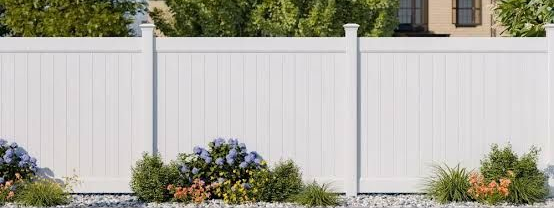
Vinyl Privacy Fences
Vinyl privacy fences feature solid panels that block outside views while resisting moisture, rot, and insect damage. Unlike wood, vinyl does not need regular painting or staining, although occasional cleaning keeps panels looking their best. Available in various colors and textures, vinyl suits traditional and contemporary homes. Products such as
Catalyst fencing include reinforced vinyl systems designed for added stability and durability through changing weather conditions.
Picket Fences
Picket fences establish attractive property boundaries without completely obstructing views. Their evenly spaced vertical boards create a classic appearance commonly associated with front yards, gardens, and traditional homes. Wood pickets have a natural character but need periodic maintenance, while vinyl alternatives reduce upkeep. Although picket fencing enhances curb appeal and helps define outdoor spaces, its open design limits privacy and may not suit properties needing complete enclosure.
Composite Privacy Fences
Composite privacy fences combine wood-inspired aesthetics with materials engineered to resist rot, insects, and moisture. Their solid panels create secluded outdoor areas without the frequent staining or sealing associated with natural wood. Options such as
Trex fencing feature contemporary horizontal designs and traditional privacy configurations. While composite generally costs more upfront than wood, reduced maintenance can contribute to long-term value for homeowners seeking durability and consistent appearance.
Chain Link Fences
Chain link fences are practical, budget-friendly options for securing property boundaries, containing pets, and enclosing larger areas. Their interwoven steel mesh maintains visibility and airflow, making them suitable for residential yards and commercial properties. Galvanized or vinyl-coated finishes help resist corrosion and reduce maintenance. However, standard chain link fencing offers little visual privacy unless privacy slats or screening materials are added, potentially increasing overall installation costs.
Steel Fences
Steel fences are valued for their strength, security, and refined appearance. Commonly installed around residential properties, businesses, and access-controlled areas, ornamental steel fencing creates sturdy boundaries without completely blocking views. Protective coatings help limit rust and corrosion, although damaged finishes may need attention over time. Steel typically costs more than basic wood or chain link fencing, but its structural strength makes it attractive for security-focused applications.
Aluminum Fences
Aluminum fences combine decorative appeal with corrosion resistance and relatively minimal upkeep. Their lightweight construction and powder-coated finishes suit gardens, front yards, and pool enclosures where visibility matters. Unlike solid privacy panels, traditional aluminum picket designs maintain open sightlines. Options such as
Greenwood fencing include aluminum systems in various styles and colors. While aluminum resists rust, it generally has less impact resistance than comparable steel fencing.
Split Rail Fences
Split rail fences feature horizontal wooden rails secured between widely spaced posts, creating a rustic appearance suited to larger properties and rural settings. Their open construction defines property boundaries while preserving visibility and airflow. Typically built from cedar or pressure-treated wood, these fences use fewer materials than solid privacy designs. However, they provide minimal security or privacy and may need additional wire mesh for pet containment.
Shadowbox Fences
Shadowbox fences feature alternating vertical boards attached to opposite sides of horizontal rails, creating an attractive, semi-private boundary. This overlapping design limits direct views while permitting airflow through angled gaps. Commonly constructed from wood, shadowbox fencing has a finished appearance on both sides, making it appealing for shared property lines. Regular staining or sealing helps protect wooden boards from moisture, fading, and weather-related deterioration.
How to Choose the Right Type of Fence for Your Property
Selecting the right fence starts with identifying the property's purpose, setting a realistic budget, and comparing materials based on long-term expectations. Four factors can help narrow the options:
- Privacy: Solid wood, vinyl, and composite panels block neighboring views, while chain link, aluminum, and split rail designs maintain visibility. Consider fence height and spacing when evaluating coverage.
- Budget: Chain link and basic wood fencing generally have lower upfront costs. Composite and ornamental metal options typically involve higher initial investments. Gates, terrain, and installation complexity also affect pricing.
- Maintenance: Comparing wood vs. vinyl fencing highlights differences in staining, cleaning, and ongoing upkeep. Composite and aluminum are also attractive low-maintenance alternatives.
- Appearance: Traditional picket and split rail designs complement classic homes, while horizontal composite panels and ornamental metal fencing suit contemporary architecture.
Before installation, review local height restrictions, property boundaries, and Midwest weather conditions. These considerations help prevent unexpected expenses and establish realistic expectations for long-term performance.
Your New Fence Starts With FTC Oury Group
A well-built fence adds privacy, security, and lasting curb appeal while complementing the property's overall appearance. Choosing the right contractor is just as important as selecting quality materials.
With over 40 years of exterior renovation experience, FTC Oury Group brings skilled craftsmanship, careful planning, and personalized service to fencing projects throughout Chicagoland and Southern Wisconsin. Our team works closely with homeowners and businesses to create durable fencing solutions suited to their needs, preferences, and budgets.
Getting started is simple. Schedule a consultation, discuss material and design options, and receive a detailed estimate before installation begins. From traditional wood fencing to modern composite and aluminum systems, FTC Oury Group prioritizes quality workmanship and attention to detail.
Ready to upgrade your property? Contact FTC Oury Group for
professional fence installation and repair, and schedule your free estimate today!
Connect with Us: