The Parts of a Roof [Comprehensive Guide]
April 13, 2026
Share this article:
Key Takeaways
- A roof is a system made up of multiple layers and components working together.
- Structural elements form the foundation that supports the entire roofing system.
- Protective layers help guard against moisture and weather-related damage.
- Exterior materials influence durability, appearance, and overall performance.
- Ventilation, flashing, and drainage all contribute to long-term roof function.
- Identifying issues by component can help prevent larger concerns over time.
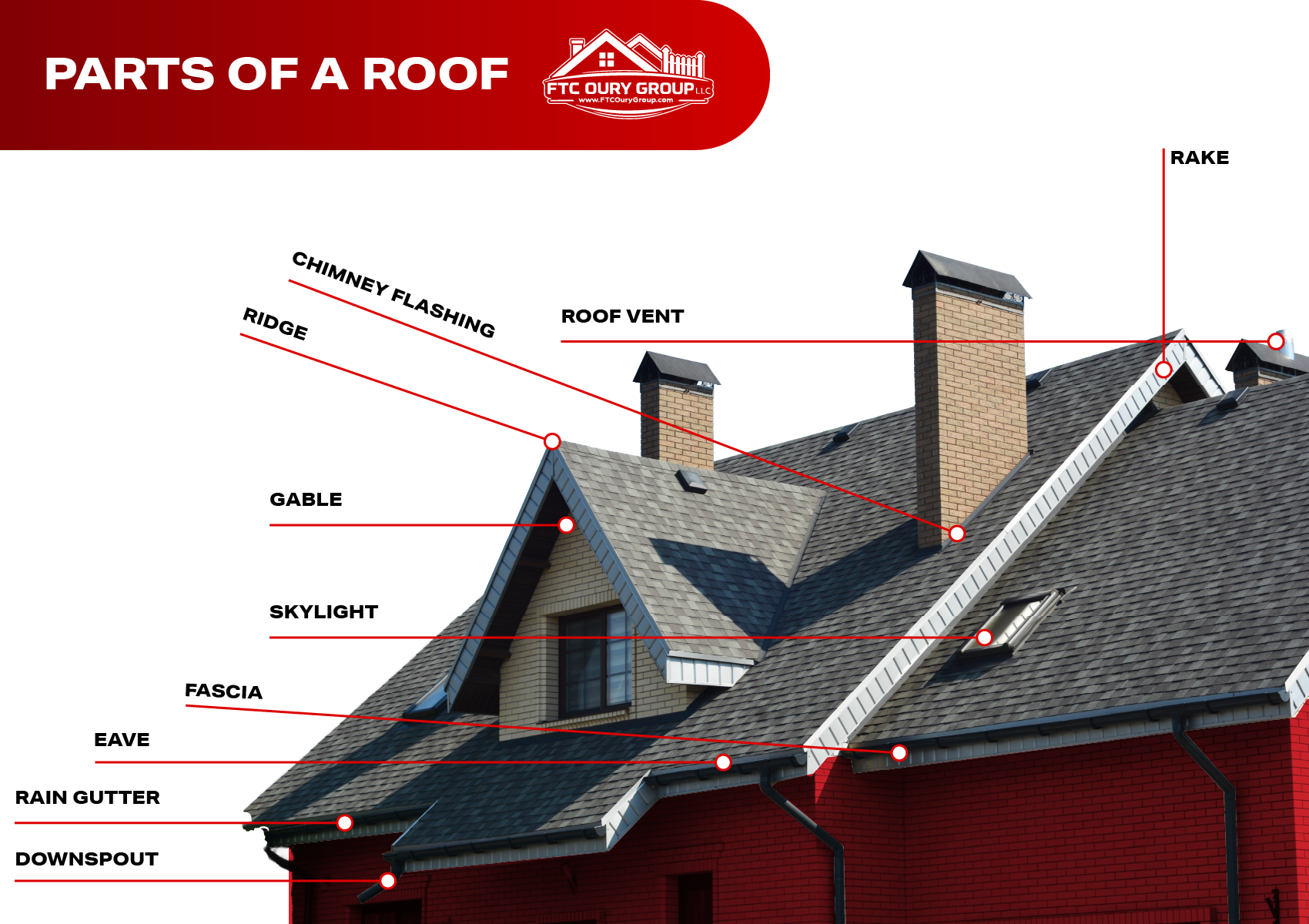
Roofs often fade into the background until a leak appears or shingles begin to shift. What looks like a single surface is actually a layered system with many working parts. When those parts are not fully understood, small concerns can feel uncertain. Looking closely at the parts of a roof brings a clearer sense of how everything works together over time. Homeowners who work with a trusted contractor, such as FTC Oury Group, can better understand how each piece of the system affects overall roof health.
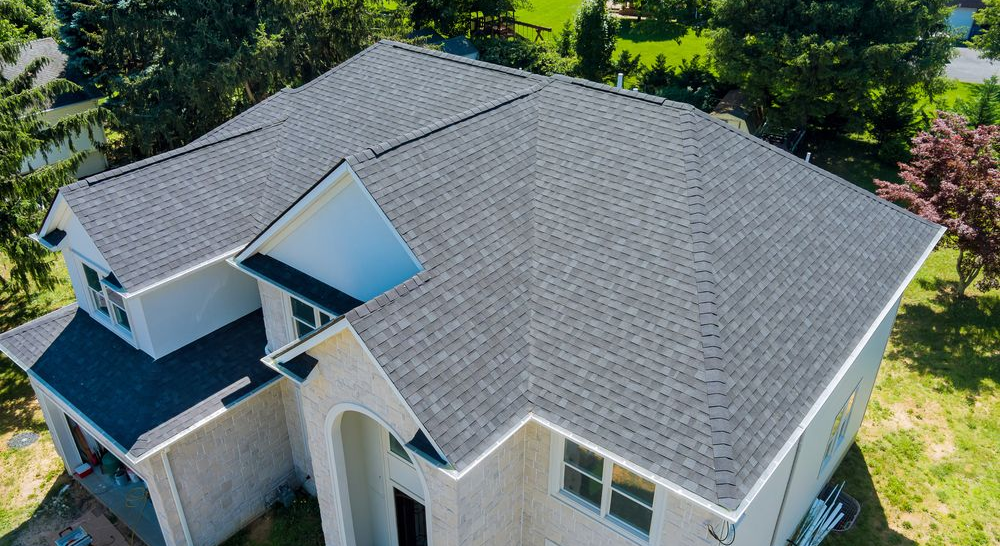
The Main Categories of Roof Components
The Main Categories of Roof Components A roofing system includes several categories, each serving a distinct purpose. Together, these components form a layered structure that manages support, protection, airflow, and water movement across the entire roof.
Structural
These components form the foundation of the roof, carrying weight and maintaining the overall shape and stability of the structure.
Protective Layers
Installed above the structure, these layers guard against moisture infiltration and add an extra barrier beneath the exterior materials.
Exterior
The outermost materials are visible from the ground and influence durability, weather resistance, and the home’s overall appearance.
Ventilation
Ventilation components regulate airflow through the attic, helping manage temperature and moisture levels within the roofing system.
Flashing
Flashing seals joints and transitions, helping prevent water from entering vulnerable areas such as valleys, edges, and roof penetrations.
Drainage
These components guide water off the roof and away from the home, helping reduce the risk of pooling or structural damage.
Finishing Elements
View Complete Roofing GlossaryFinishing elements complete the roof’s edges and transitions, contributing to both protection and a clean, finished appearance.
Structural Components of a Roof
At the core of every roofing system are the structural elements that carry weight and maintain form. These components create the base that supports all other layers and materials above.
Roof Decking (Sheathing)
Roof decking, often called sheathing, is the flat surface installed over the framing that serves as the base for all roofing materials. Typically made from plywood or OSB, it distributes weight evenly and creates a stable foundation for underlayment and shingles.
Roof Framing (Trusses & Rafters)
Roof framing forms the skeleton of the roof, using trusses or rafters to define its shape and slope. These components support the decking and transfer the roof’s load to the home’s walls, maintaining structural integrity over time.
Protective Layers: The First Line of Defense
Beneath the visible roofing materials are protective layers designed to manage moisture and add durability. These components shield the structure from water intrusion and weather-related wear over time.
Roof Decking (Sheathing)
Roof decking, often called sheathing, is the flat surface installed over the framing that serves as the base for all roofing materials. Typically made from plywood or OSB, it distributes weight evenly and creates a stable foundation for underlayment and shingles.
Roof Framing (Trusses & Rafters)
Roof framing forms the skeleton of the roof, using trusses or rafters to define its shape and slope. These components support the decking and transfer the roof’s load to the home’s walls, maintaining structural integrity over time.
Exterior Roofing Materials
Shingles (Asphalt, Architectural, Designer)
Shingles form the primary protective surface of the roof, shielding the home from weather exposure. Options range from standard asphalt to architectural and designer styles, each with different levels of durability, dimension, and visual appeal.
Starter Shingles
Starter shingles are installed along the roof’s edges to create a secure base for the first row of shingles. They help establish proper alignment and contribute to sealing the roof against wind uplift and water intrusion.
Ridge Cap Shingles
Ridge cap shingles are placed along the peak of the roof, covering the ridge line where two slopes meet. They seal this vulnerable area while allowing for proper ventilation and adding a finished, cohesive appearance.
Roof Ventilation Components
Ridge Vents
Ridge vents run along the peak of the roof, allowing warm, moist air to escape from the attic. This continuous ventilation helps regulate temperature and reduces the risk of moisture buildup that can damage roofing materials over time.
Soffit Vents
Soffit vents are located beneath the roof’s overhang and draw in cooler outside air. This intake works with ridge vents to create steady airflow, helping maintain balanced ventilation throughout the attic space.
Importance of Proper Ventilation
Balanced ventilation helps control heat and moisture levels inside the attic. Without it, trapped air can lead to higher energy use, faster material wear, and conditions that contribute to mold or structural deterioration.
Flashing: Sealing Vulnerable Areas
Step Flashing
Step flashing is installed where the roof meets vertical surfaces such as walls or chimneys. It consists of layered metal pieces that direct water away from joints, helping prevent moisture from entering along these intersecting areas.
Valley Flashing
Valley flashing is placed in roof valleys where two slopes meet and channel water downward. These areas handle large volumes of runoff, so proper installation helps guide water safely off the roof and reduces the risk of leaks.
Drip Edge
Drip edge is a metal strip installed along the edges of the roof. It directs water away from the fascia and into the gutters, helping protect the underlying structure from water damage and edge deterioration.
Pipe Boots & Vent Flashing
Pipe boots and vent flashing seal openings around roof penetrations such as plumbing vents. These components create a tight barrier around pipes, helping prevent water from entering through gaps where materials meet and move over time.
Drainage System Components
Gutters
Gutters run along the roof edge, collecting rainwater and directing it away from the home. Regular
gutter maintenance helps prevent clogs, overflow, and moisture damage to surrounding materials.
Downspouts
Downspouts carry water from the gutters down to the ground, guiding it away from the foundation. Proper placement helps reduce pooling and protects the structure from long-term water exposure.
Gutter Protection Options
Gutter protection systems are designed to reduce debris buildup while maintaining water flow. Many homeowners install
gutter guards to limit cleaning frequency and support consistent drainage performance.
Roof Edges and Finishing Elements
Fascia
Fascia boards run along the roof edge, supporting the lower edge of the roofing system and providing a surface for gutter attachment while protecting the structure beneath.
Soffit
Soffits are installed beneath the roof overhang, enclosing the underside of the eaves. They help regulate airflow into the attic while contributing to a clean, finished exterior appearance.
Common Roofing Problems Related to Each Component
Structural Components:
Sagging or uneven areas may point to weakening within the roof’s framework.
Protective Layers:
Damaged or aging layers can allow moisture to reach the decking below.
Exterior Materials:
Cracked, curling, or missing shingles expose the roof to ongoing weather damage.
Ventilation:
Poor airflow can trap heat and moisture, leading to faster material deterioration.
Flashing:
Worn or loose flashing can create openings where water enters at joints and transitions.
Drainage:
Clogged gutters or downspouts can cause overflow and water buildup near the roofline.
Finishing Elements:
Damaged fascia or soffit can expose underlying materials and affect ventilation performance.
Roofing FAQs
How often should a roof be replaced?
There is no definitive answer to this question as it depends on a number of factors, such as the type of roofing material, climate and weather conditions, and how well the roof is maintained. However, most experts agree that a typical asphalt shingle roof should be replaced every 20-25 years, while metal or tile roofs can last up to 50 years or more. If you’re not sure whether it’s time for a new roof, consult with our professional contractors who can assess your home’s specific needs.
What are the different types of residential roofs?
There are a variety of different types of residential roofs that homeowners can choose from. The most common type of roof is the shingle roof, which is made up of asphalt shingles that are arranged in rows. Other popular types of roofs include tile roofs, metal roofs, and slate roofs. Each type of roof has its benefits and drawbacks, so it’s important to choose the right roof for your home.
What type of roofing is best?
Tar and gravel: This is one of the oldest types of roofing. It’s made up of tar-coated gravel that’s applied over a layer of insulation.
Asphalt shingles: Asphalt shingles are one of the most popular types of roofing because they’re affordable and durable. They come in a variety of colors and styles, making them a versatile option.
Metal Roofs: Metal roofs are becoming increasingly popular due to their durability and energy efficiency. They come in a variety of colors and styles.
Tile Roofs: They are a classic look that can be used on any style of home from contemporary to traditional.
Connect with Us: