The Parts of a Window [Comprehensive Guide]
April 7, 2026
Share this article:
Key Takeaways
- A window system includes multiple components that influence performance, insulation, and operation.
- The frame, sash, and glass each serve a distinct function within the system.
- Understanding terminology can support clearer decisions during repair or replacement.
- Window styles vary in function, airflow, and overall design.
- Identifying issues by component can help prevent larger concerns over time.
- Proper installation plays a key role in long-term window performance.
Windows are often noticed only when something goes wrong. A draft, a stuck sash, or rising energy bills can draw attention to details that usually go unseen. Without a clear understanding of the parts of a window, small issues can feel uncertain. A closer look brings clarity and helps homeowners make decisions about window replacement and repair with greater confidence
What Makes Up a Window System?
A window system is a collection of parts that work together to regulate light, airflow, and insulation. Instead of acting as a single piece, each component contributes to the overall performance.
The frame anchors the window to the structure of the home, while the sash holds the glass in place and allows movement. The glazing influences temperature control and visibility. Elements such as seals and hardware also affect how the window functions over time. When one part begins to wear, it can change how the entire system performs in the long run.
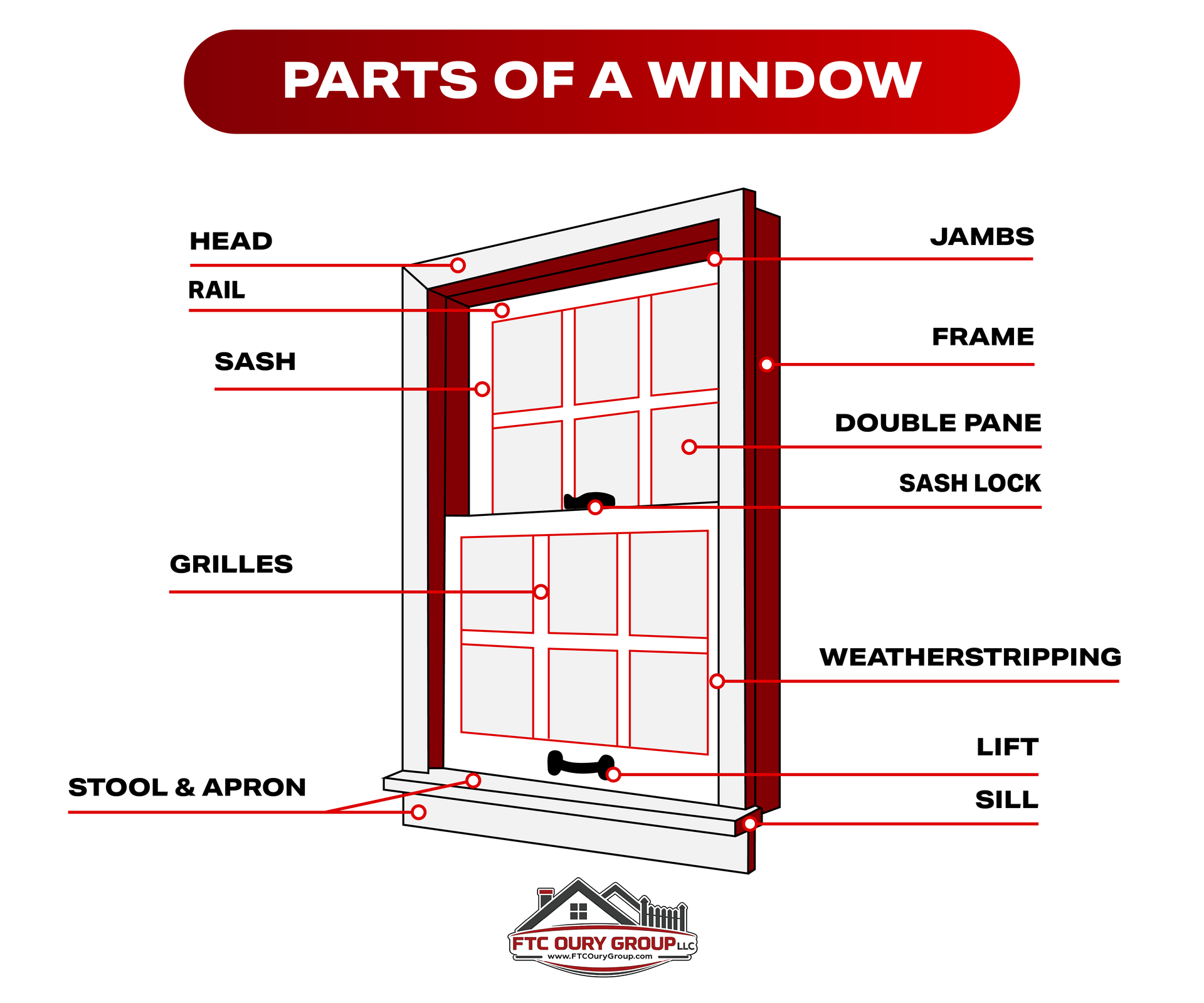
The Main Structural Components of a Window
Every window relies on a few core components that shape how it functions day to day. These elements determine how the window opens, seals, and insulates, forming the base for both performance and durability.
Window Frame
The window frame forms the outer structure that secures the unit within the wall. It supports the entire system and helps maintain a tight seal against external elements. A well-built frame contributes to stability, insulation, and long-term performance.
Sash
The sash is the movable portion of the window that holds the glass in place. It lets the window open and close while maintaining alignment within the frame. Its condition directly affects airflow, ease of operation, and how tightly the window seals when shut.
Glass (Glazing)
Glazing refers to the glass component of the window and plays a central role in insulation and visibility. Modern glazing often includes multiple panes and coatings that help regulate indoor temperatures. The quality of the glass can influence comfort, energy use, and overall window performance.
Window Frame Vocabulary
- Head: The top horizontal portion of the frame that caps the window opening.
- Sill: The bottom horizontal section that directs water away from the home.
- Jambs: The vertical sides of the frame that connect the head and sill.
- Casing: The decorative trim surrounding the frame, often visible from the interior.
- Apron: A trim piece installed beneath the sill that gives a finished appearance.
- Brickmould: Exterior trim that frames the window and connects it to the siding.
- Weep Holes: Small openings that let trapped moisture drain from the frame.
- Subframe: The underlying structure that reinforces the window opening and supports installation.
Window Sash Vocabulary
- Stiles: The vertical components of the sash that form its sides.
- Rails: The horizontal components that connect the stiles and complete the sash frame.
- Meeting Rail: The horizontal section where two sashes come together and seal when closed.
- Lift: A small handle or grip used to raise or lower the sash.
- Balance System: A mechanism inside the frame that helps the sash move smoothly and stay in position.
- Tilt Latch: A feature that lets the sash tilt inward for cleaning and maintenance.
Glass Vocabulary
- Pane: A single sheet of glass within the window, used in single- or multi-pane setups.
- Double Pane: Two layers of glass with a sealed space between them that helps regulate temperature.
- Triple Pane: Three layers of glass that further strengthen insulation and reduce outside noise.
- Low-E Coating: A thin, invisible coating that reflects heat while still letting in natural light.
- Gas Fill: An insulating gas, such as argon, placed between panes to boost thermal performance.
- Spacer: A material placed between panes that separates the glass layers and helps maintain an airtight seal.
Types of Windows
Window styles differ in how they open, seal, and frame a space. Each type brings distinct functional advantages, shaping airflow, maintenance needs, and how the window fits into the design of the home.
Double-Hung
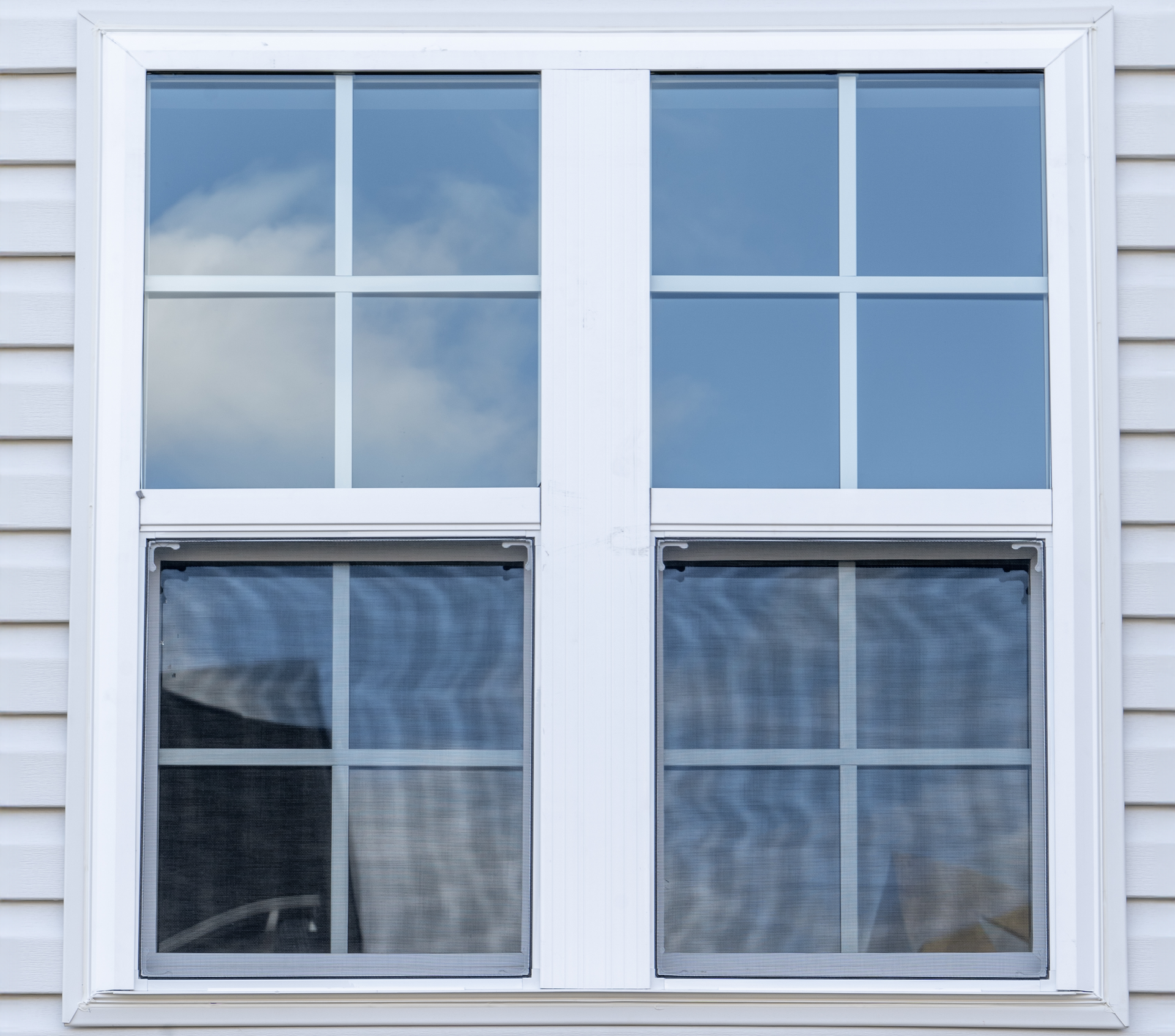
Double-hung windows feature two operable sashes that move vertically within the frame. This design allows airflow from both the top and bottom, making it a practical option for ventilation and easier cleaning from inside the home.
Casement
Casement windows are hinged on one side and open outward with a crank mechanism. They form a tight seal when closed and can catch passing breezes, making them a strong choice for airflow and energy efficiency.
Awning
Awning windows are hinged at the top and open outward from the bottom. Their design allows ventilation during light rain, as the glass shields the opening from moisture while still permitting airflow.
Sliding
Sliding windows operate horizontally along a track, with one or more panels moving side to side. They are often used in wider openings and are valued for straightforward operation and the ability to bring in consistent natural light.
Bay
Bay windows extend outward from the home, typically combining three panels to create additional interior space. They bring in light from multiple angles and can add dimension to a room while enhancing the architectural character of the home.
Common Window Problems by Component
Frame:
Warping, rot, or water intrusion can weaken the structure and affect how the window seals within the opening.
Sash:
Sticking, misalignment, or worn hardware can make opening and closing difficult over time.
Glass:
Fogging between panes or visible cracks often indicates seal failure or damage to the glazing.
Seals and Weatherstripping:
Deterioration can lead to drafts, moisture entry, and reduced insulation performance.
Why Professional Installation Matters
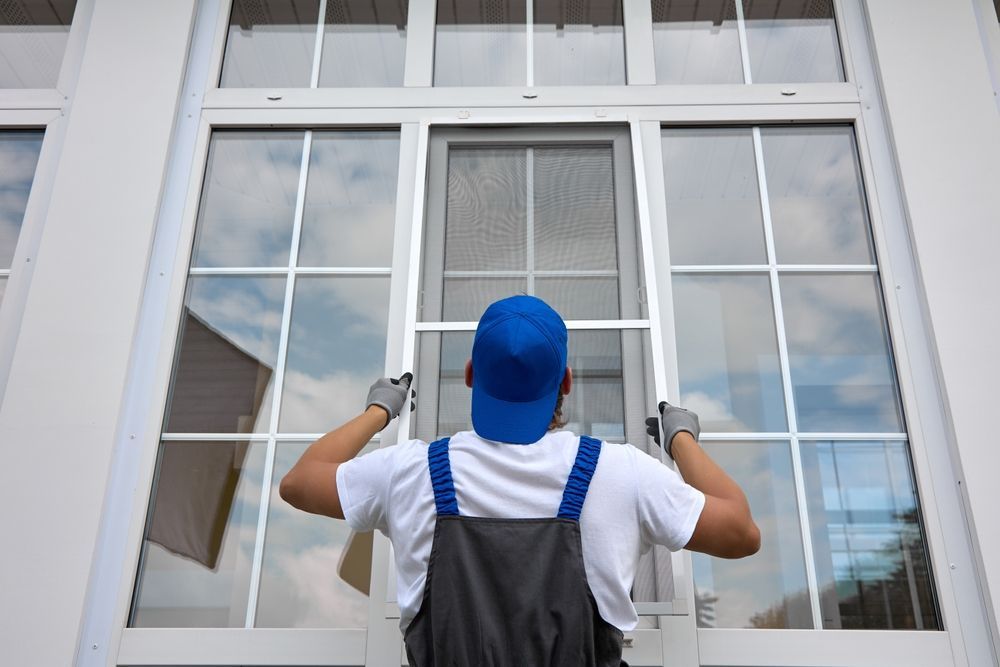
Even a well-built window can fall short if installation is not handled carefully. Proper alignment, sealing, and fastening all shape how the system performs over time. Small gaps or errors during installation can lead to drafts, moisture issues, and premature wear.
Working with a trusted team like
FTC Oury Group brings clarity to the process and a higher standard of workmanship. Homeowners who are ready to move forward can contact FTC Oury Group to schedule a free estimate and
request a quote tailored to their home.
Connect with Us: