Pool Fencing Requirements in Illinois: What You Need to Know
November 24, 2026
Share this article:
A backyard pool adds years of summer enjoyment to a home, yet the fence around it carries more responsibility than any other fence on the property. Many Illinois homeowners search for one statewide rule and find conflicting numbers instead. In practice, pool fencing requirements in Illinois are set by individual cities, villages, and counties, and the details can shift from one town to the next. Knowing the common standards, and where local codes depart from them, helps homeowners plan a barrier that passes inspection and protects their family.
Understanding Pool Fencing Requirements in Illinois
Illinois has no statewide law governing fences around private residential pools. The Illinois Municipal Code leaves those rules to cities and villages, and county boards hold similar authority for unincorporated areas. The state’s Swimming Facility Act covers public pools and excludes pools used only by a homeowner and guests. Some websites cite a 42-inch state standard, but that figure comes from House Bill 2495, a proposal that was sent back to committee in April 2025 and has not become law. Many Chicagoland communities instead adopt the International Swimming Pool and Spa Code (ISPSC), then add local amendments.
Pool Fence Height, Openings, and Barrier Requirements
Under the model ISPSC barrier section, which many Illinois municipalities use as their starting point, a compliant barrier typically includes:
- A height of at least 48 inches, measured on the side facing away from the pool
- No gap larger than 2 inches between the bottom of the barrier and the ground
- No opening a 4-inch sphere can pass through
- Pool equipment kept at least 36 inches from the outside of the barrier, so it cannot serve as a step
Climbability matters too. Horizontal rails spaced closely enough to act as a ladder generally belong on the pool side of the fence.
Pool Gate and Latch Requirements
Gates are where many barriers fail inspection. Pedestrian gates must open outward, away from the pool, and close and latch on their own. When the latch release sits lower than 54 inches, codes such as Homer Glen’s place it on the pool side, at least 3 inches below the top of the gate. Where the house forms one side of the barrier, doors leading to the pool generally need an audible alarm, a self-closing and self-latching device, or a powered safety cover. Weakened hinge springs and settling frames cause many latch failures, so testing the gate every few weeks pays off.
Special Requirements for Above-Ground Pools
Above-ground pools follow a different logic. Under the model code, a pool wall that stands at least 48 inches high around its entire perimeter can act as the barrier, provided the ladder or steps can be locked, removed, or enclosed by their own fence. Local rules still vary. Orland Park calls for a 60-inch barrier around above-ground pools and, on corner lots or yards next to a public right-of-way, a six-foot opaque screening fence. In Chicago, smaller at-grade pools may not need a building permit, though the electrical work still does.
Do You Need a Permit for a Pool Fence in Illinois?
In many Illinois communities, yes. A pool fence often needs its own permit, separate from the pool permit, and fees vary widely. Carol Stream’s residential fence permit was listed at $64 in its 2024 handout, while Lake in the Hills charges a base fee plus a per-foot amount for pool fencing. Homeowners replacing an older fence should pay close attention here. If that fence doubles as the pool barrier, the new one has to meet current barrier rules. Before digging, a locate request goes to JULIE at least two business days ahead, or to 811 Chicago within city limits. HOA covenants may add their own fence rules.
How Pool Fence Requirements Vary Across Illinois
Height alone shows how much local codes differ across the Chicago area:
Chicago: at least 5 feet, with grounded metal fencing
Willowbrook: at least 48 inches
Orland Park: 60 inches for above-ground pool barriers
Minooka: 6 feet, either around the yard or combined with a barrier on top of the pool
Safety covers vary too. Carol Stream, West Chicago, and DuPage County have been listed as accepting a powered safety cover as the sole barrier, while St. Charles has weighed the question. Chicago’s Department of Buildings, Naperville’s Building Permits office, and similar departments in Arlington Heights and Evanston can confirm current rules, so a quick call before ordering materials prevents costly changes later.
Choosing the Right Pool Fence
Material choice affects compliance as much as appearance. Aluminum remains a popular pool option because vertical pickets keep sightlines open and resist corrosion;
Greenwood aluminum fencing comes in several styles and colors. Homeowners who prefer privacy often consider
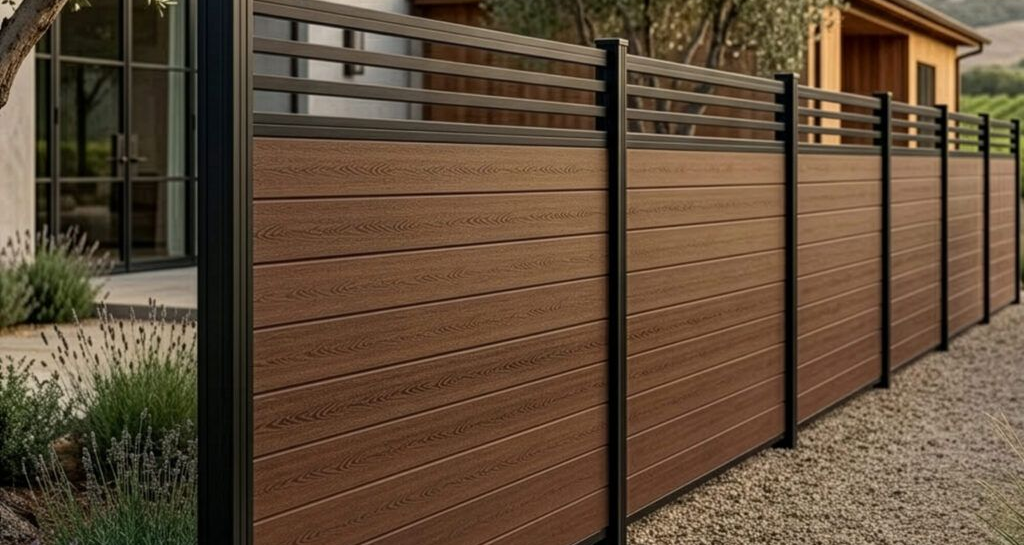
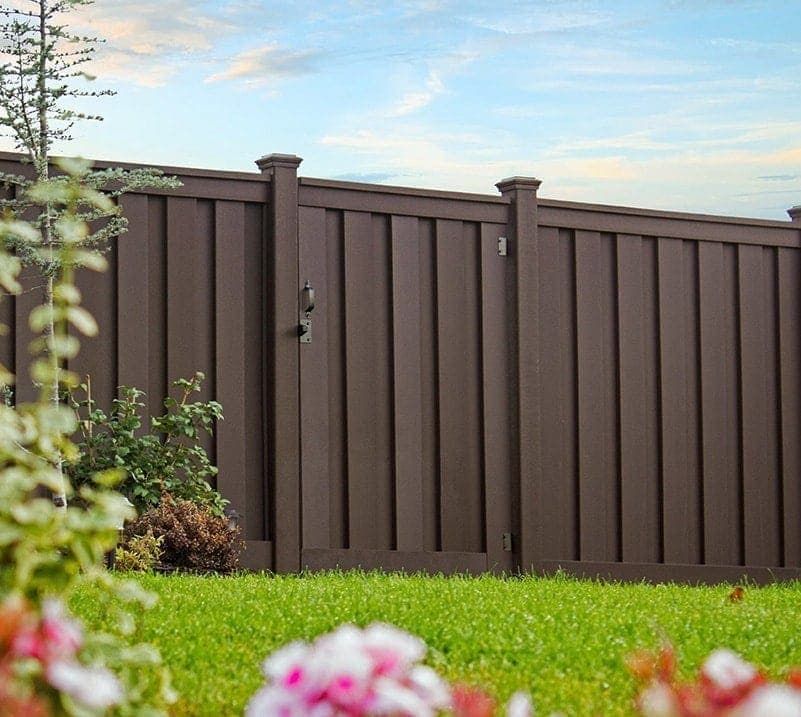
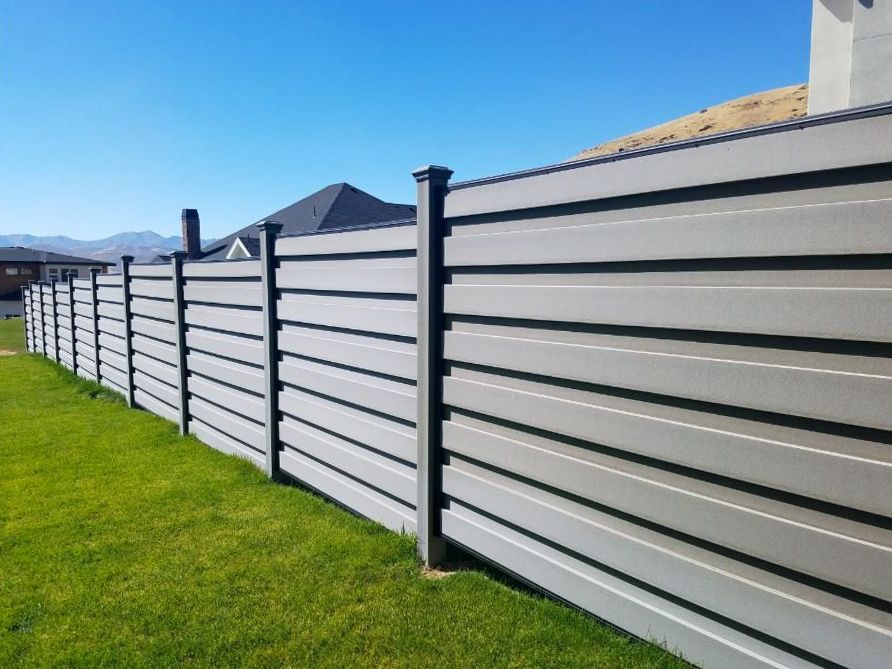
Trex composite fencing. Trex notes that its Seclusions style is harder to climb than its horizontal Horizons design, which matters around water. Metal fences close to the pool may need electrical bonding. Chain link used as a barrier generally needs mesh openings no larger than 2¼ inches, and Carol Stream bars it along street-facing lot lines. A side-by-side look at
fence materials can help narrow the choice.
What Happens If Your Pool Fence Is Not Compliant?
A noncompliant barrier tends to surface at the worst moment. A failed inspection can hold up final approval of a new pool, and correcting gaps, latch placement, or rail orientation after installation often costs more than building correctly. One published inspection account describes a homeowner who replaced a solid cedar fence with steel pickets spaced five inches apart, not realizing the old fence was also the pool barrier. Many insurance carriers attach fence and self-latching gate conditions to pool coverage, and a faulty gate can complicate a liability claim. Above all, a weak barrier leaves young children exposed to real danger.
Plan Your Pool Fence With FTC Oury Group
FTC Oury Group brings more than 40 years of exterior renovation experience and an A+ Better Business Bureau rating to fencing projects across Chicagoland and Southern Wisconsin. Getting started takes three steps. First, schedule a free estimate to talk through the pool, yard, and design goals. Next, confirm the barrier code and permit process for the property with the local building department. Finally, have the fence and gates installed with careful attention to height, gaps, and latch hardware. The result is a backyard that looks finished, passes inspection, and gives families confidence every time the gate clicks shut. Call (630) 866-6888 or
request a free estimate to begin.
Connect with Us: