Roof Repair vs Replacement: How to Make the Right Decision
June 8, 2026
Share this article:
The right choice between roof repair and roof replacement depends on the age of the roof and the extent of the damage. Minor issues can often be repaired, while older roofs or widespread damage may make replacement the better investment.
Over time, roofing materials wear down from constant exposure to the elements. Understanding the warning signs and working with experienced roofing professionals can help homeowners make the right decision for their home and budget.
Why Roofing Problems Should Be Addressed Quickly
Roof damage rarely stays contained to one small area. What begins as a minor issue can gradually affect larger portions of the home if not addressed promptly.
Risks of Delaying Roof Work
Even a small roof leak can allow moisture to reach insulation, drywall, and wooden framing. Over time, trapped moisture may contribute to mold growth, interior staining, and structural deterioration. Delaying repairs can also increase energy costs if damaged roofing materials affect attic ventilation or insulation performance.
Storm damage can worsen quickly as well. Loose shingles or weakened flashing may become more vulnerable during high winds or freezing temperatures, leading to larger repairs later.
Importance of Professional Roof Inspections
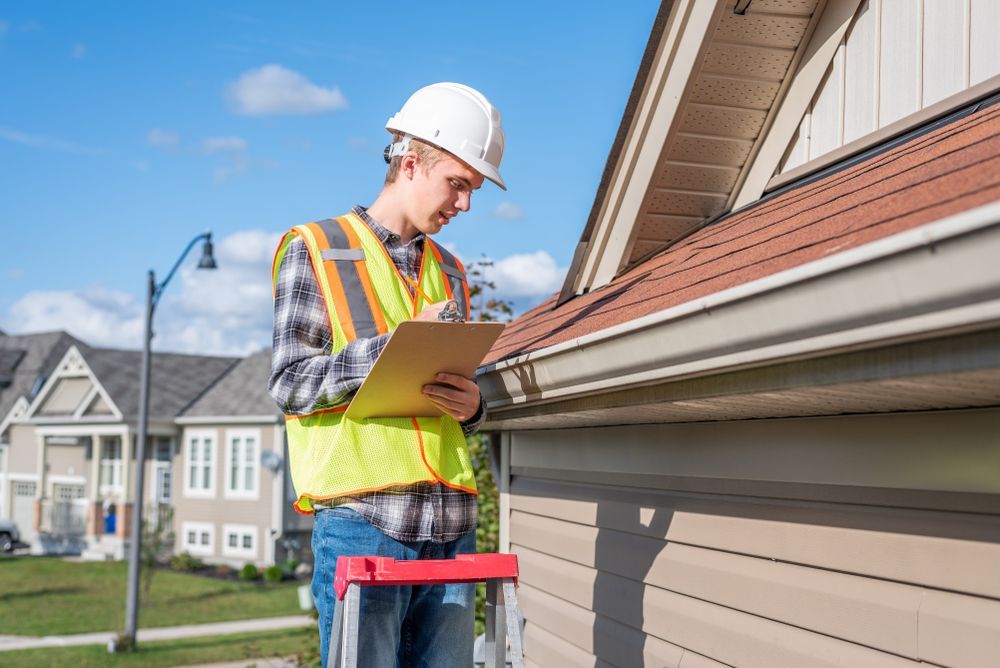
Professional roof inspections help identify hidden problems before they become more severe. Roofing contractors evaluate the condition of shingles, flashing, ventilation systems, and other roofing components, including the different parts of a roofing system, to determine the most practical solution.
Inspections are especially helpful after severe storms or when a roof is approaching the later years of its lifespan.
Common Signs Your Roof Needs Attention
Roofing problems often begin with visible warning signs both inside and outside the home. Recognizing these symptoms early can help prevent more expensive repairs.
Interior Warning Signs
Inside the home, roofing issues may appear as water stains on ceilings, peeling paint near the roofline, damp attic insulation, or musty odors caused by trapped moisture. Some homeowners also notice rising energy bills when the roofing ventilation no longer performs properly.
Exterior Warning Signs
Exterior signs of roof deterioration are often easier to spot from the ground. Curling shingles, missing shingles, sagging areas, and damaged flashing around chimneys or vents can all indicate roofing problems. Granules collecting in gutters are another common sign that asphalt shingles are beginning to wear down.
Storm Damage Indicators
After major storms, homeowners should inspect their property for visible roofing damage. Common storm-related indicators include lifted shingles, hail impact marks, fallen tree limbs, or exposed roofing materials. Leaks that appear shortly after heavy rain or wind often point to storm damage that should be inspected by a professional contractor.
When Roof Repair Is the Right Choice
Repairs can be an effective solution when damage is limited, and the roofing system still has years of useful life remaining.
Minor or Localized Damage
Small roofing problems are often repairable without replacing the full roof. A few missing shingles, isolated flashing damage, or a single roof leak can usually be corrected with targeted professional roof repair services.
Relatively New Roofs
Roofs that are still within their expected service life are typically good candidates for repair. Asphalt shingle roofs commonly last between 20 and 30 years, depending on weather exposure and maintenance.
Budget-Conscious Short-Term Solutions
Some homeowners choose repairs as a temporary option while preparing financially for a future roof replacement. This approach can help stabilize active leaks and protect the home in the short term. For homeowners comparing roof repair vs replacement, repairs may make sense if the roof is otherwise in solid condition.
When Roof Replacement Is the Better Investment
In some situations, replacing the roof provides better long-term protection and value than continuing to repair aging materials.
Aging Roof Systems
As roofs age, shingles gradually lose their ability to resist moisture, wind, and temperature changes. Older roofing materials may crack, curl, or become brittle after years of exposure to the elements, making roof replacement services the more practical long-term option.
Extensive or Recurring Damage
Frequent leaks or widespread storm damage can indicate larger roofing system failures beneath the surface. If repairs are becoming more frequent or affecting multiple areas of the roof, replacement may provide a more dependable solution.
Improving Energy Efficiency and Home Value
A new roof can improve ventilation and overall energy performance, helping regulate indoor temperatures more effectively throughout the year. Homeowners comparing metal roofs and asphalt shingles may also consider how different materials affect durability and efficiency.
Roof replacement may also increase curb appeal and support property value for homeowners planning to sell in the future. Choosing updated
roof styles can further improve the appearance of the home.

Roof Repair vs Replacement: Cost Comparison
Roof repairs generally involve lower upfront costs, especially when addressing isolated damage. Replacing a few shingles or repairing flashing is far less expensive than installing a completely new roofing system.
However, repeated repairs on an aging roof can add up over time. Homeowners should consider the roof’s age, the frequency of ongoing repairs, and
roof warranty coverage when evaluating long-term costs. In many cases, a replacement may provide stronger long-term value by reducing future repair expenses and improving energy efficiency.
For many homeowners weighing roof repair vs replacement, the right decision depends on balancing immediate costs with long-term performance.
How Professional Roofing Contractors Determine the Best Option
Professional roofing contractors consider several factors before recommending repairs or replacement.
During an inspection, they evaluate:
- Roof age
- Extent of visible and hidden damage
- Ventilation performance
- Moisture intrusion
- Storm-related wear
A professional assessment helps homeowners make informed decisions based on the overall condition of the roofing system rather than surface-level symptoms alone. Understanding common roofing terminology can also help homeowners feel more confident during the process.
Why Homeowners Trust FTC Oury Group for Roofing Services

For more than 40 years, FTC Oury Group has helped Chicagoland homeowners protect their homes with dependable roofing services and quality workmanship. As a trusted roofing contractor in Chicagoland, the team is known for responsive customer care, honest recommendations, and attention to detail throughout every project.
FTC Oury Group maintains an A+ Better Business Bureau rating and partners with trusted manufacturers, including Owens Corning and CertainTeed. Whether homeowners need repairs or a full roof replacement, the team delivers reliable solutions built for long-term performance.
Homeowners looking to get started can
request a quote to discuss their roofing needs with the FTC Oury Group team.
Frequently Asked Questions About Roof Repair vs Replacement
For additional
roofing FAQs, homeowners can speak with experienced roofing professionals about their specific concerns.
Can a roof leak always be repaired?
No. Some roof leaks can be repaired successfully if the damage is isolated. Larger leaks tied to aging materials or widespread deterioration may require a full replacement.
How long does a roof replacement take?
Most residential roof replacements are completed within one to three days, depending on the size of the home, material selection, and weather conditions.
Will insurance cover roof repairs or replacement?
Insurance coverage depends on the cause of the damage and the homeowner’s policy. Storm-related damage is commonly covered, while damage caused by aging or lack of maintenance may not qualify.
How often should roofs be inspected?
Most roofing professionals recommend annual inspections along with additional inspections after major storms.
What happens if roof damage is left untreated?
Untreated roof damage can lead to leaks, mold growth, insulation problems, structural deterioration, and higher repair costs over time.
Connect with Us: